Website Development Cost 2025: Guide for Bosnia, Croatia & Serbia
Creating a website is a crucial step for any business today. It enhances online presence and credibility. But how much does it cost to build a website? The answer varies.
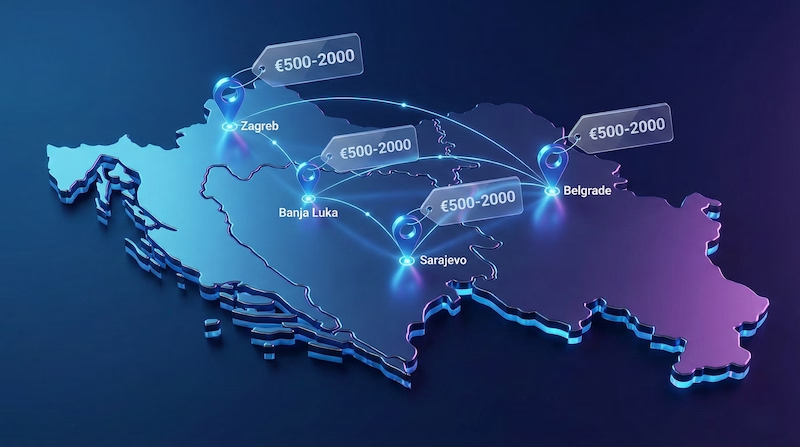
In Bosnia and Herzegovina, Croatia, and Serbia, prices differ based on several factors. Complexity and features play a big role. A basic website might cost between €500 and €2000. More complex sites can exceed €5000.
Understanding the difference between a website, a web page, and a web application is essential. Each serves a unique purpose. This guide will help you navigate the costs and options available in the Balkans.
Basic Terms: Website vs. Web Page vs. Web Application
Understanding fundamental terms is crucial before diving into web development. Clear definitions help you make informed decisions about your online presence.
What is a Website?
A website is a collection of linked web pages. These pages are accessible under a single domain. Websites serve as the digital face of a business or personal brand.
A professional website establishes credibility and provides 24/7 accessibility to your business information. It's your primary digital asset for reaching customers online.
What is a Web Page?
A web page is an individual document on the internet. It's part of a larger website and contains specific information or functionality. A single page can host text, images, and multimedia elements.
Each web page serves a specific purpose - whether it's your homepage, about page, contact form, or blog post. Pages work together to create a complete user experience.
What is a Web Application?
A web application is a more complex entity. Unlike static pages, web apps perform specific tasks via internet browsers. They often require user interactions and offer dynamic content.
Key distinctions include:
- Website: A group of web pages under one domain
- Web Page: A single document part of a website
- Web Application: Interactive software accessed through browsers
Web applications require more resources to develop and maintain than simple web pages. Examples include online banking systems, booking platforms, and social media sites.
Website Development Pricing: Market Overview in BiH, Croatia & Serbia
The cost of creating a website varies across regions. In Bosnia and Herzegovina, Croatia, and Serbia, prices reflect local market conditions and the competitive landscape of web development services.
Average Basic Website Prices (€500-2000)
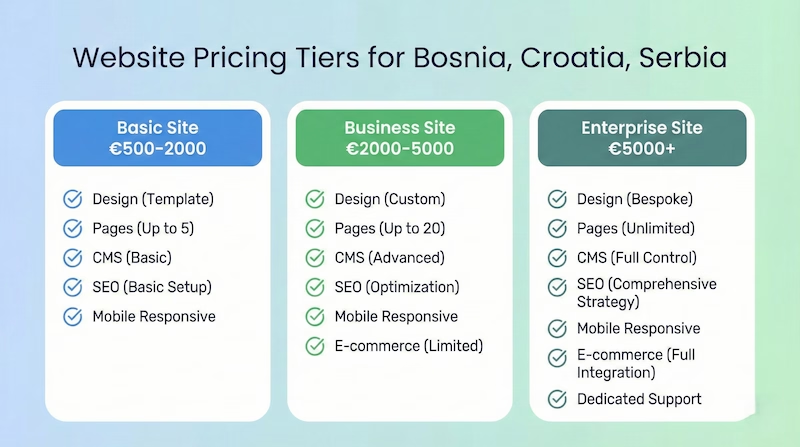
A basic website typically ranges from €500 to €2000. This cost covers simple designs with essential features such as:
- 5-10 pages of content
- Template-based design
- Contact forms
- Basic SEO setup
- Responsive design for mobile devices
These websites are perfect for small businesses, freelancers, and local services that need a professional online presence without complex functionality.
Complex Sites and E-commerce Pricing (€2000-5000+)
For businesses seeking custom functionality, costs increase significantly. Complex websites can range from €2000 to €5000, or even more. Elements such as:
- Custom design and branding
- E-commerce functionality with payment integration
- User account systems
- Custom databases and APIs
- Advanced animations and interactions
E-commerce platforms require additional features like product catalogs, shopping carts, payment gateways, inventory management, and shipping integrations - all contributing to higher development costs.
Regional Pricing Factors
Local competition plays a role in pricing. Numerous web designers offer services across the region, impacting price differences. Experience and reputation also influence rates, with seasoned professionals charging premium prices for their expertise.
It's essential to compare quotes from various agencies. Research and transparency help in understanding what each package includes. Remember that web development isn't just about the initial costs.

Factors Affecting Website Development Cost
Several factors drive website cost beyond the basic pricing structure. Understanding these elements helps you budget effectively and avoid unexpected expenses.

Complexity and Number of Pages
Complexity is a primary determinant. More intricate sites require more resources. Features like e-commerce, member portals, and custom databases increase complexity significantly.
The number of pages directly impacts development time. A 5-page website costs less than a 50-page site. Each additional page requires:
- Content creation or migration
- Design consistency
- Navigation structure updates
- SEO optimization
Custom Design vs. Template Design
Design choices significantly affect pricing:
Template Design (€500-1500):
- Pre-made themes modified to fit your brand
- Faster development time
- Limited customization options
- May look similar to other sites using the same template
Custom Design (€2000-8000+):
- Unique design created specifically for your brand
- Complete control over layout and functionality
- Better alignment with brand identity
- Longer development timeline
Custom designs require more investment but set businesses apart and provide a unique user experience that reflects your brand values.
Technology Stack Choice
The choice of CMS or static solution influences cost:
CMS Options (WordPress, Joomla, Drupal):
- Higher initial cost
- Greater flexibility for updates
- Plugin ecosystem for extended functionality
- More maintenance requirements
Static Sites:
- Lower development cost
- Faster loading times
- Limited content management
- Better for security

Specialized technologies like custom React applications or advanced backend systems may increase costs substantially due to specialized developer expertise required.
Agency Experience and Reputation
Experience level affects pricing significantly. Renowned developers command higher rates. Their expertise ensures:
- Quality code that's maintainable
- Best practices for security
- Reliable project management
- Ongoing support and consultation
While established agencies charge more, they often deliver superior results with fewer revisions and better long-term performance.

Website Types and Their Costs
Different websites serve various purposes, affecting their cost structure and development approach.
Presentation Websites (Simple)
Presentation sites are straightforward. They focus on delivering information clearly. Small businesses often opt for these basic sites.
Typical Cost: €500-1500
Features:
- 5-10 pages (Home, About, Services, Contact, etc.)
- Template-based design
- Basic contact forms
- Image galleries
- Google Maps integration
They use pre-made templates, minimizing costs. Simplicity is their strength, offering low maintenance needs. Ideal for businesses needing an online presence without complexity.
Business Websites with CMS
Typical Cost: €1500-3500
Features:
- Custom or premium template design
- Content Management System (WordPress, Joomla)
- Blog functionality
- Newsletter integration
- Advanced contact forms
- Social media integration
- Basic SEO optimization
These websites provide businesses with the ability to manage their own content, add blog posts, and update information without developer assistance.
E-commerce and Online Stores
Typical Cost: €3000-8000+
Features:
- Product catalog management
- Shopping cart functionality
- Payment gateway integration
- Inventory management
- Order tracking systems
- Customer account areas
- Email notifications
- Shipping calculator
E-commerce sites require robust security, payment processing capabilities, and extensive testing. The complexity of inventory management and order processing justifies higher development costs.
Web Applications and SaaS Platforms
Typical Cost: €8000-50,000+
Features:
- Custom user authentication
- Database architecture
- API integrations
- Real-time updates
- Advanced user permissions
- Subscription management
- Analytics dashboards
These projects demand significant resources and expertise. Custom development matches unique business processes and requires ongoing maintenance and updates.

CMS Website vs. Static Website: Differences and Costs
Understanding the distinction between CMS and static websites is vital for making the right choice for your business.
Benefits of CMS Websites (WordPress, Joomla, Drupal)
A CMS (Content Management System) website allows easy content updates. Users can add pages, posts, and multimedia without coding knowledge.
CMS Advantages:
- Easy content management through admin panels
- Plugin and theme support for extended functionality
- Scalability for growing businesses
- SEO-friendly features built-in
- User permissions for team collaboration
- Regular community updates and improvements
CMS Disadvantages:
- Requires more maintenance
- Security updates needed regularly
- Can be slower than static sites
- May require hosting with more resources
- Learning curve for non-technical users
Popular CMS platforms include WordPress (powering 43% of all websites), Joomla, and Drupal. Each offers different strengths depending on your needs.
When to Use Static Websites?
Static websites consist of HTML and CSS files. They display fixed content that requires a developer for any changes.
Static Site Advantages:
- Faster load times (no database queries)
- Greater security (no admin panel to hack)
- Simplified hosting requirements
- Lower hosting costs
- Better performance under traffic spikes
Static Site Disadvantages:
- Difficult to update without technical knowledge
- No built-in content management
- Limited functionality without JavaScript
- Scaling content requires more development work
When to Choose Static:
- Landing pages
- Portfolio sites
- Sites that rarely change
- Maximum performance is critical
- Minimal budget for hosting
Maintenance Cost Comparison
CMS Websites:
- Monthly maintenance: €50-200
- Includes security updates, backups, plugin updates
- Content updates can be done in-house
- May require developer support occasionally
Static Websites:
- Monthly maintenance: €20-50
- Minimal maintenance required
- Content updates require developer
- Lower security concerns
Choosing between these options depends on business goals. A dynamic, content-driven operation may prefer CMS. Conversely, a static site suits those prioritizing speed and security.

Additional Costs: Domain, Hosting, Maintenance
Building a website involves more than just initial development. Additional costs can significantly impact the long-term budget.
Annual Domain Costs (.ba, .hr, .rs domains)
Domain registration is essential. It's the website's online address and identity.
Domain Pricing:
- .ba domain: €15-25/year
- .hr domain: €30-50/year
- .rs domain: €15-25/year
- .com domain: €10-15/year
- Premium domains: €100-10,000+
Domain registration must be renewed annually. Some registrars offer multi-year discounts. Choose a memorable, brand-relevant domain name for best results.
Hosting Packages and Pricing
Hosting provides space on servers for your site's files. Prices vary based on bandwidth, storage needs, and performance requirements.
Shared Hosting (€5-15/month):
- Suitable for small websites
- Limited resources
- Shared server with other sites
- Good for starting out
VPS Hosting (€20-50/month):
- More resources and control
- Better performance
- Root access
- Suitable for medium traffic sites
Dedicated Hosting (€100-300/month):
- Entire server dedicated to your site
- Maximum performance and security
- Full control and customization
- For high-traffic sites
Cloud Hosting (€10-100+/month):
- Scalable resources
- Pay for what you use
- High availability
- Modern infrastructure
Regular Maintenance and Security Updates
Regular maintenance ensures optimal performance and security. Costs depend on the site's complexity and the frequency of updates.
Maintenance Services Include:
- Security updates and patches
- Plugin and theme updates
- Regular backups
- Performance monitoring
- Uptime monitoring
- Security scanning
- Broken link checks
Monthly Maintenance Cost: €50-300 depending on complexity
Content Updates and Upgrades
Upgrades and improvements add value but come at a price. Implementing new features or redesigning sections incurs extra charges.

Common Updates:
- New page creation: €50-200 per page
- Feature additions: €200-2000
- Design refreshes: €500-3000
- Content updates: €30-100/hour
Proper budgeting for these elements guarantees sustained website functionality and prevents unexpected issues.

Web Design Pricing: What's Included?
Creating a website involves more than just design; it's a comprehensive process that affects the final cost.

UI/UX Design and User Experience
User interface (UI) design ensures the site is visually engaging and intuitive. A good UI keeps visitors on the site longer and improves conversion rates.
UI/UX Includes:
- Wireframing and prototyping
- User flow mapping
- Interactive mockups
- Usability testing
- Accessibility considerations
- Conversion optimization
Professional UI/UX design can increase conversion rates by 200% or more. Investment in this area pays dividends through better user engagement.
Graphics and Photography
Visual appeal is crucial. This includes layout, color schemes, and typography, which enhance user experience.
Graphic Elements:
- Custom icons and illustrations
- Image optimization
- Stock photography licenses
- Custom photography: €500-2000
- Video production: €1000-5000
- Infographics: €200-800
Quality visuals create professional impressions and communicate your brand values effectively.
Brand Identity and Logo Design
If you don't have an established brand, website projects often include brand identity development.
Brand Package (€500-3000):
- Logo design (multiple concepts)
- Color palette development
- Typography selection
- Brand guidelines document
- Business card design
- Social media templates
A cohesive brand identity across your website and marketing materials builds recognition and trust.
Responsive Design for All Devices
Responsive design is no longer optional - it's essential. Over 60% of web traffic comes from mobile devices.
Responsive Design Ensures:
- Optimal viewing on smartphones
- Tablet compatibility
- Desktop experience
- Touch-friendly navigation
- Fast mobile loading times
- Google mobile-first indexing compliance
Google prioritizes mobile-friendly sites in search results. Responsive design is crucial for SEO success.
SEO Optimization and Responsive Design as Cost Factors
SEO optimization and responsive design significantly affect both the initial cost and long-term success of your website.
On-Page SEO Optimization
On-page SEO includes optimizations made directly on your website to improve search engine rankings.
SEO Services Include:
- Keyword research and strategy
- Meta titles and descriptions
- Header tag optimization (H1, H2, H3)
- Image alt text optimization
- Internal linking structure
- XML sitemap creation
- Schema markup implementation
SEO Optimization Cost: €300-1500 for initial setup
Professional SEO can increase organic traffic by 50-200% within 6-12 months. It's one of the best long-term investments for your website.
Mobile-First Responsive Design
Mobile-first design means designing for mobile devices first, then scaling up to larger screens.
Mobile-First Benefits:
- Better mobile user experience
- Faster mobile loading times
- Improved Google rankings
- Higher mobile conversion rates
- Future-proof design approach
With mobile traffic dominating, mobile-first design is essential for modern websites.
Loading Speed and Core Web Vitals
Google's Core Web Vitals are ranking factors that measure user experience.
Core Web Vitals Include:
- LCP (Largest Contentful Paint): Loading performance
- FID (First Input Delay): Interactivity
- CLS (Cumulative Layout Shift): Visual stability
Speed Optimization (€200-800):
- Image compression and optimization
- Code minification
- Browser caching
- CDN integration
- Database optimization
A 1-second delay in page load time can decrease conversions by 7%. Speed optimization directly impacts revenue.
Google Analytics and Tracking Setup
Understanding your website's performance is crucial for growth.
Analytics Setup (€100-300):
- Google Analytics 4 installation
- Conversion tracking
- Event tracking setup
- Custom dashboard creation
- Google Search Console integration
- Heat mapping tools (optional)
Proper tracking enables data-driven decisions about website improvements and marketing strategies.

How to Choose the Right Web Developer in BiH, HR or SR?
Choosing the right web solution for your business is vital. Consider your specific goals and target audience first.
Selection Criteria for Web Agencies
Evaluate the features and expertise you need. A simple presentation site might suffice, or you might need a full web application.
Key Criteria:
- Years of experience in the industry
- Technical expertise in required technologies
- Team size and availability
- Communication style and language capabilities
- Project management methodology
- Post-launch support offerings
Questions You Should Ask
Before committing to a web developer or agency, ask these essential questions:
- What's your typical project timeline?
- Can you provide references from similar projects?
- What's included in your maintenance packages?
- How do you handle project changes and revisions?
- What's your process for testing and quality assurance?
- Do you offer training for content management?
- What happens if issues arise after launch?
- Can you help with ongoing digital marketing?
Portfolio and Project References
Always review the agency's portfolio carefully:
Portfolio Review Checklist:
- Similar industry experience
- Design style matches your preferences
- Functionality complexity
- Live website performance
- Mobile responsiveness
- Loading speeds
Request 2-3 client references and actually contact them. Ask about their experience, communication, timeline adherence, and post-launch support.
Post-Launch Support
Post-launch support is often overlooked but crucial:
Support Should Include:
- Initial bug fixes (30-90 days)
- Training sessions for content management
- Technical support contact
- Emergency support availability
- Update and maintenance options
- Performance monitoring
Clarify support terms before signing contracts. Understand what's included and what incurs additional costs.
Frequently Asked Questions About Website Development Costs
Addressing common concerns helps you make informed decisions about website investment.
How Long Does Website Development Take?
Timeline varies based on complexity:
- Basic website: 2-4 weeks
- Business website with CMS: 4-8 weeks
- E-commerce site: 8-16 weeks
- Custom web application: 3-12 months
Factors affecting timeline include:
- Content availability
- Number of revisions
- Third-party integrations
- Client feedback speed
- Scope changes
Can I Update Content Myself?
With CMS websites, yes! You can update:
- Text content
- Images and videos
- Blog posts
- Product information
- Contact details
Most agencies provide training sessions. Content management doesn't require technical skills with modern CMS platforms.
What's the Best Solution for My Business?
It depends on your specific needs:
Choose Basic Website if:
- You need simple online presence
- Budget is limited (under €1500)
- Content changes are infrequent
- You're a local service business
Choose CMS Website if:
- You want to manage your own content
- You plan to blog regularly
- You need flexibility for growth
- You have €1500-3500 budget
Choose E-commerce if:
- You sell products online
- You need inventory management
- Payment processing is required
- Budget allows €3000-8000
Choose Custom Application if:
- You need unique functionality
- Standard solutions don't fit
- You have specific workflow requirements
- Budget exceeds €8000
How Much Does Website Redesign Cost?
Redesign costs vary based on scope:
Visual Refresh (€800-2000):
- Updated colors and fonts
- New images
- Layout improvements
- Existing content retained
Complete Redesign (€2000-5000):
- New design from scratch
- Restructured navigation
- Updated content
- New functionality
Platform Migration (€3000-8000+):
- Moving to new CMS
- Complete rebuild
- Data migration
- SEO preservation
Redesigns typically cost 60-80% of a new website build.
Conclusion: ROI of Investing in Quality Website
Investing in a professional website can significantly improve your business's online presence. A quality site doesn't just attract visitors - it converts them into customers.
With good design and optimization, your website can:
- Increase customer trust and credibility
- Generate leads 24/7
- Reduce customer service costs
- Provide measurable marketing ROI
- Scale your business reach
Studies show that businesses with professional websites generate 2-3x more revenue than those without. Your website is an investment in long-term success.
Average ROI Timeline:
- Month 1-3: Initial traffic and brand visibility
- Month 4-6: Lead generation begins
- Month 7-12: Positive ROI achieved
- Year 2+: Compounding returns from SEO and reputation
A well-designed website typically pays for itself within 6-12 months through increased business opportunities. Choose quality over cost savings - your online presence is too important to compromise.